Comparisons of US and European Dynamic Side Impacts
I. ����
���� �Ϲ̿� �������� ���� FMVSS 214�� European Directive 96/27/EC��� ���� �ٸ� �����浹 ���� ���԰� �ִ�. �̷��� ������ ������ ���� �װ��� �⺻��ҷ� �����ȴ�.
1) Test vehicle
2) Deformable barrier
3) Anthropomorphic Test Devices (ATD)
4) Test requirements
�Ϲ̿� ������ ���� �浹 ������ ��� ������ �°��� �ŵ��� �����ϱ� ���� ���������, ���� �װ��� ��Ҹ� ���� ���� ���� �ٸ� Ư���� ������.
II. Procedure Comparisons
Comparison of Test Procedures
1) NHTSA dynamic side impact procedure
- �̱����� �Ǹŵǰ� �ִ� �¿����� ���� ���ߵǾ�����, 1998�� 9�� 1�Ϻ��� GVWR 6000 lbs������ Ʈ������ Ȯ�� �����.
- U.S. DOT SID dummy�� �浹���� ��, �� �¼��� ����
- Barrier�� ���� �ٸ� ������ ���� Honeycomb�� �̿��Ͽ� barrier bumper(245psi)�� barrier body(45psi)�� �����Ǹ�, �̴� �̱� ������ ��� ũ��� ������ ��Ÿ����.
- Barrier�� �浹������ 27° �̸�, �ӵ��� 33.5mph�̴�.
2) European Directive dynamic side impact procedure
- �������� �Ǹŵǰ� �ִ� M1�� N1 ������ ���� ���ߵǾ�����, barrier type, vehicle/barrier heght, dummy seating position�� ���� ������ ���� �������̴�.
- NHTSA�� ������� ���� ��, barrier face, dummy, dummy measurements, impact speed and direction�� ���� ��� ������ �ٸ���.
- �ϳ��� EUROSID-1 dummy�� �浹���� ���¼��� ����
- barrier spec.�� load-deformation�ŵ��� ���� corridors�� �����ϸ�, �پ��� ������ barrier�� �ִ�.
- Barrier face�� �پ��� ������ ���� �������� block���� �����Ǹ�, ���� ������ ��� ũ��� ������ ��Ÿ����.
- Barrier�� �浹������ �����̸�, �ӵ��� 31mph�̴�.
Comparison of Dummies
1) NHTSA (FMVSS 214)
- Two U.S. DOT SID : front and rear seat
- Injury criteria
- Thoracic Trauma Index (TTI), peak lateral Pelvis acceleration
- SID Dummy Positioning
- in mechenical mid position and full down
- Seat back : nominal or 25 degrees
- Head rests full up
- Lumbar supports in lowest position
- Arm rests are lowered
2) European Directive (96/27/EC)
- one EuroSID-1 : front seat
- Injury criteria
- Head Performance (HPC), Thorax Rib Deflection, Thorax Soft Tissue (V*C), Abdominal Peak Force, Pubic Symphosis Peak Force
- EuroSID-1 Positioning
- Anywhere along the full seat track travel and full down
- Arm is set at 40 degrees
Comparison of Barriers
Table 1����ó��, ���� �ʱ�ӵ��� ����, pre-impact���¿��� NHTSA barrier�� European barrier���� �� 40%���� ���� ��������� ���´�. ����, �̱��� ������ ������ �ͺ��� ��������� ũ�� ���� ������ ���� ������, NHTSA barrier�� European���� �� ũ�� �ܴ��ϴ�.
European barrier face�� �� �۰�, B-pillar���� �����ϰ�, NHTSA barrier face�� hinge pillar�� B-pillar��ο� �������� Figure 1���� �� �� �ִ�.
Table 1. Comparison of Side Impact Barriers
Test |
Barrier Wt |
Barrier Speed |
Impact Angle |
Barrier Height |
NHTSA |
1360 kg |
15.0 m/s |
27° |
280 mm |
European |
950 kg |
13.8 m/s |
0° |
300 mm |
����
��
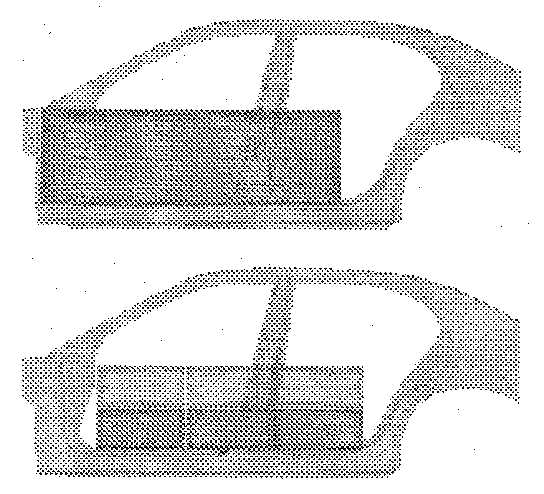
Figure 1. Comparison of Barrier Overlap with Bodyside
(NHTSA top / European bottom)
III. Energy Analysis
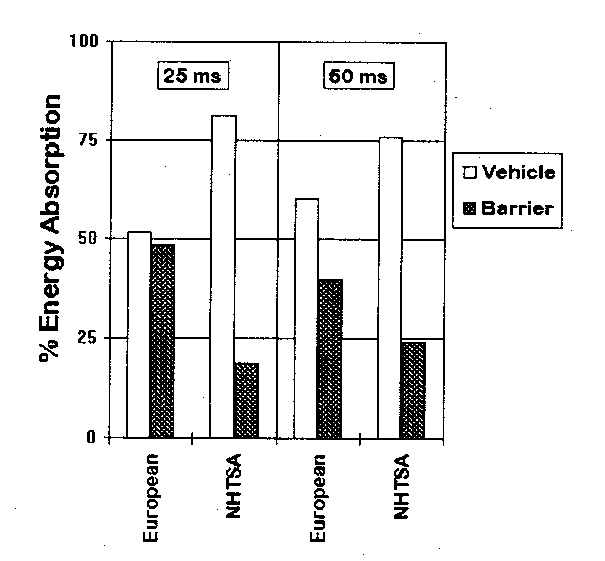
Figure 2�� mid size vehicle�� �����浹�� ������ ���, vehicle�� barrier������ ���������� ���� ������ ��Ÿ���µ�, European barrier�� �� ���� �������� �������� �� �� �ִ�. �������� �������� �����ϴ� �ֿ� �������� 1) Body side, 2) front door, 3) rear door�̸�, 60ms������ �������� �����ϰ� �Ǵµ�, �̴� front floor pan, seat cross members, roof panel�� ���� backup �����������̴�. ���� NHTSA test condition������ �޹��� EEC condition���� �� ���� �������� �����ϴ� ��, �̴� NHTSA�� 27�� �浹 ��簢 �����̴�. |
Figure 2. Comparison of Vehicle and Barrier Energy Absorption in European and NHTSA Side Impact
|
IV. Intrusion Comparison (Figure 3 ����)
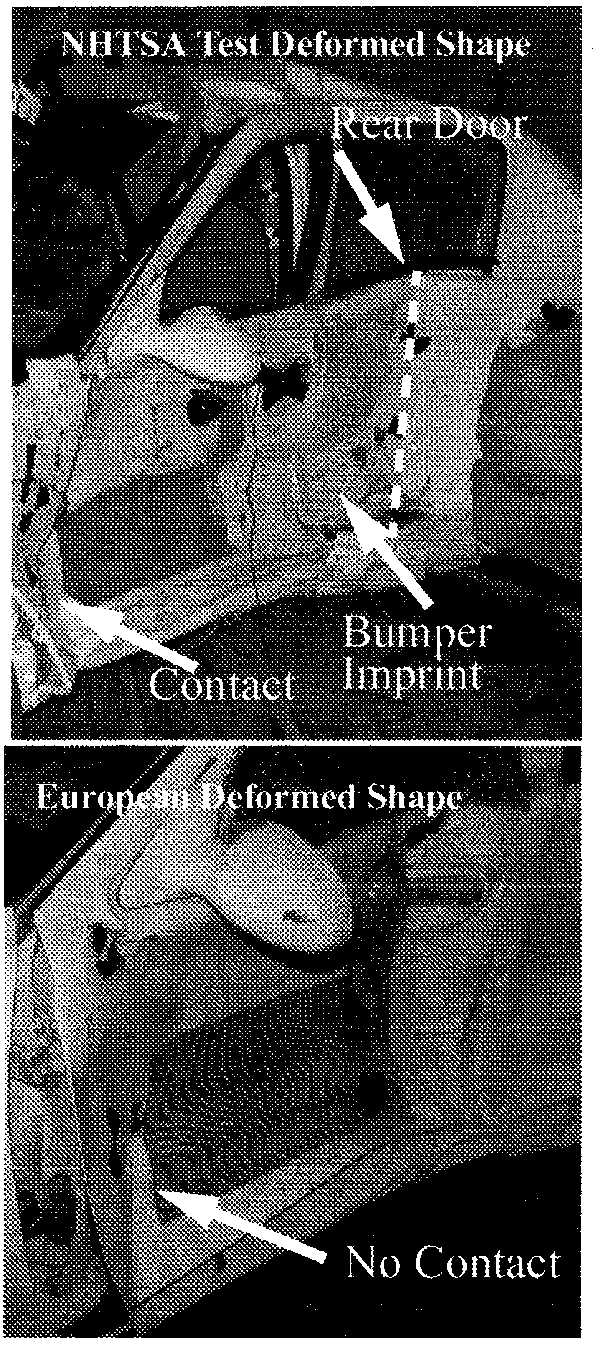
1) NHTSA deformation pattern
2) European Directive
V. Front Dummy Responses FMVSS 214 requirement�� Pelvic G�� TTI�ε� ����, EuroSID-1�� HPC, rib displacements, V*C, abdomen load, pubic symphosis load��� ���� �پ��� ������ ������ �� �ִ�. SID������ TTI�䱸������ ������Ű�� ��ư�, EuroSID-1������ rib deflection�䱸������ ������Ű�� ���� ����� ��ƴ�. ����, European Directive test condition�� ������Ű�� �ͺ��� US test�� ������Ű�� ���� �� ����. �ٽ� ����, ���� ���߽� European Directive�� �䱸������ ������Ű��, US �䱸���ǵ� �����ϰ� �� ���̴�. |
|
Figure 3. Body Side and Door Deformation of a Vehicle in NHTSA and European Side Impacts |
VI. Unified US/European Approach
: NHTSA Side Impact with EuroSID-1 Dummy.
NHTSA�� European test condition�� �Ϲ�È���� �� �� �ִ� ��3�� ���������� NHTSA test procedure�� ��� EuroSID-1�� �յ� �¼��� �ΰ� �����ϴ� ���̴�.
NHTSA barrier�� ���, door�� �ϴܺο� ���� ���� intrusion�� �߻��ϱ� ������, US/European Setup���� abdomen�� pubic symphosis load�� ���� lower torso response�� European Directive condition���� ���� ���� ��Ÿ����.
VII. Conclusions
- European Directive condition�� �䱸������ �����ϴ� ������ NHTSA�� �䱸���ǵ� ������ ���̴�.
- European barrier face�� NHTSA�� deformable barrier���� �� ���� �������� �����Ѵ�.
- ������ European barrier face�� door panel�� ��ü������ ��׷��߸�����, NHTSA barrier�� door�� �Ʒ��κ��� �ַ� ��׷��߸���.
- �����浹�� �ֵ� ���������� �������� body side, front door, rear door���̴�.
- Unified US/European test condition�� NHTSA side impact condition�� ������ ������ response�� ������, ���¼� dummy�� ������ ����� �ٸ���.
- Unified US/European test prodedure�� global vehicle������ ���� �����浹������ �ܼ�È�� ���� ������ �ذ����� �� �� ���� ���̴�.