SID/HIII : New Side Impact Anthropomorphic Test Dummy

for amended FMVSS 201

  1. °³¿ä
  2. Áö³­ 8¿ù 4ÀÏ, ÀÚµ¿Â÷¸¦ 10inch rigid poleÀ» ÇâÇØ 18mph (29km/h)¼Óµµ·Î Ãø¸éÃæµ¹½ÃÄÑ, dynamically deployed interior head protection systemÀÇ ¼º´ÉÀ» Æò°¡ÇÏ´Â »õ·Î¿î dynamic test°¡ FMVSS 201, ¡°Occupant Protection Interior Impact¡±¿¡ Ãß°¡µÇ¾ú´Ù. ÀÌ¿Í µ¿½Ã¿¡, ÀÌ Test¸¦ À§ÇØ »õ·Ó°Ô ¼³°èµÈ SID/HIII¸¦ Part 572ÀÇ ¡°Subpart M Side Impact Hybrid Dummy 50th Percentile Male¡±·Î Ãß°¡ÇÏ¿´´Ù.

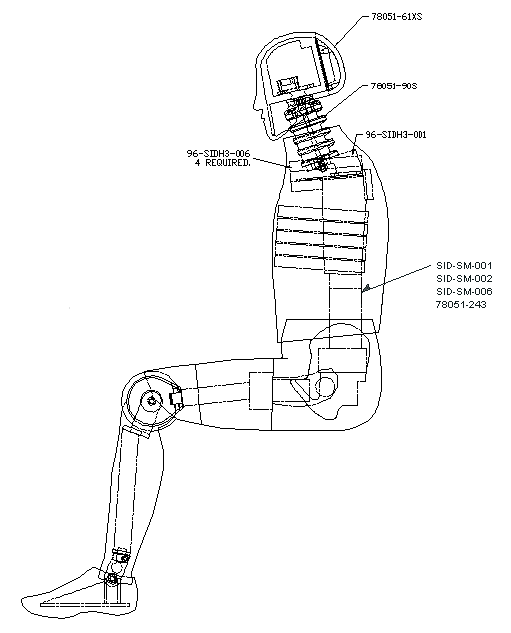
    SID/HIII´Â FMVSS 214, Side Impact Protection test¿¡ »ç¿ëµÇ´Â Part 572, Subpart F (Side Impact Dummy or SID)¿Í FMVSS 208, Occupant Crash Protection test¿¡ »ç¿ëµÇ´Â Part 572, Subpart E (Hybrid III or HIII)¸¦ Á¶ÇÕÇÏ¿© »õ·Ó°Ô ±¸¼ºÇÑ DummyÀÌ´Ù. Áï, Figure 1.°°ÀÌ Hybrid III(HIII)ÀÇ Head¿Í NeckÀ» »õ·Ó°Ô ¼³°èµÈ Neck BracketÀ» ÀÌ¿ëÇÏ¿© SID¿¡ ÀåÂøÇÑ ÇüÅÂÀÌ´Ù.

    ÀÌ SID/HIII´Â 1998³â 9¿ù 1ÀÏ ÀÌÈÄ, FMVSS 201 test¸¦ À§ÇÑ Ç¥ÁØ Dummy·Î ¹ýÁ¦È­µÇ¾ú´Ù.

  3. SID/HIIIÀÇ ¼±Á¤
  4. NHTSA´Â side impact pole test¿¡ »ç¿ëÇÒ ¼ö ÀÖ´Â ÃÖÀûÀÇ Dummy·Î SID/HIII¸¦ ¼±Á¤ÇÏ¿´´Ù. IIHS¿¡¼­ ¼öÇàÇÑ side impact pole test¿¡¼­, SID/HIIIÀÇ ribcage-shoulder ±¸Á¶¿¡¼­´Â collapse°¡ ¹ß»ýÇÏ¿©, head°¡ ribcageÀÇ collapse¸¸Å­ ¿·À¸·Î À̵¿ÇÏ¿© ½ÇÁ¦ »ç¶÷ÀÇ ¸Ó¸®Ã³·³ intruding structure¿ÍÀÇ impact°¡ ¹ß»ýÇÏ¿´À¸³ª, BioSID¿¡¼­´Â ¿ÞÆÈ°ú rib-shoulder ±¸Á¶¿¡¼­ TorsoÀÇ collapse¸¦ Á¦ÇÑÇÏ¿© headÀÇ À̵¿ÀÌ Àû°Ô ÀϾ vehicleÀ̳ª poleÇ¥¸é°ú ¾Æ¹«·± Á¢Ã˵µ ¹ß»ýÇÏÁö ¾Ê¾Ò´Ù. µû¶ó¼­, NHTSA´Â BioSID°¡ ÇöÀç ISO¿¡ ÀÇÇØ °¡Àå ¿ì¼öÇÑ Biofidelity¸¦ °¡Áø Dummy·Î Æò°¡¹Þ°í ÀÖ´Ù ÇÒÁö¶óµµ (new ratings from the ISO working group are : BioSID = 5.9, EuroSID-1=4.2, SID/HIII=3.8, EuroSID=3.2, and SID=2.3), side impact pole test¿¡¼­´Â SID/HIII°¡ ´õ ÀûÇÕÇÑ Dummy·Î °á·Ð³»·È´Ù.

    NHTSA´Â EuroSID-1À» »ç¿ëÇÏ¿© ¸î Â÷·ÊÀÇ Ãø¸é Ãæµ¹ ½ÃÇèÀ» ¼öÇàÇÑ °á°ú, EuroSID-1ÀÇ Thorax deflection response°¡ Àΰ£ÀÇ ÈäºÎ¸¦ Á¦´ë·Î ¹¦»çÇÏÁö ¸øÇÔÀ» ¾Ë¾Æ³Â´Ù. Áï, TorsoÀÇ ¿îµ¿ÀÌ ribcage³»ºÎÀÇ mechanical lock-upÀ̳ª shoulder structureÀÇ Æ¯¼º¿¡ ÀÇÇØ Á¦¾îµÇ°í Á¦Çѵǰí, shoulder structureÀÇ Ãʱ⠿À̳ª ȸÀü°¢ÀÌ initial impact¹æÇâ¿¡ ¸Å¿ì ÀÇÁ¸ÀûÀÓÀ» °üÂûÇÒ ¼ö ÀÖ¾ú´Ù.

    µû¶ó¼­, NHTSA´Â EuroSID-1Àº shoulderÀÇ ¿¹ÃøÇÒ ¼ö ¾ø´Â ¿îµ¿°ú TorsoÀÇ mechanical lock-up¿¡ ÀÇÇØ »ý±â´Â ºÒÈ®½Ç¼º¶§¹®¿¡ Á¦¾îÇϱ⠾î·Á¿ì¹Ç·Î, ¾ÆÁ÷ valid test dummy·Î ¹Þ¾Æµé¿© Áú ¼ö ¾ø´Ù°í ¹àÇû´Ù.

    FTSS´Â BioSIDÀÇ head¿Í neckÀÌ HIII¿Í µ¿ÀÏÇÑ ¼³°è¸¦ °¡Áö°í ÀÖÁö¸¸, ´Ù¸¥ vinyl°ú rubber¸¦ »ç¿ëÇÔÀ¸·Î½á, calibration response¿¡ ´ëÇØ º¸´Ù ³ªÀº ¹Ýº¹¼º°ú Àϰü¼ºÀ» °¡Áö¸ç, softer vinylÀ» »ç¿ëÇÏ¿© º¸´Ù ³·Àº peak g levelÀ» °¡Áø´Ù°í ¼³¸íÇÏ¿´´Ù>. ¶ÇÇÑ, FTSS´Â HIII head response´Â vinyl skin°ú skull»çÀÌ¿¡ talcum powder¸¦ »ç¿ëÇÔÀ¸·Î½á BioSID¿Í À¯»çÇÑ Æ¯¼ºÀ» °¡Áú ¼ö ÀÖÀ¸¸ç, ±Ø¼Ò¼öÀÇ HIII neck¸¸ÀÌ SID/HIIIÀÇ neck calibration corridor¸¦ ¸¸Á·ÇÒ ¼ö ÀÖ´Ù°í Ãæ°íÇÏ¿´´Ù.

    ÀÌ¿¡ ´ëÇØ, NHTSA´Â SID/HIII°¡ ±âÁ¸ÀÇ HIIIÀÇ component¸¸À¸·Îµµ ±â´ÉÀ» Àß ¼öÇàÇϸç BioSID head¿Í neckÀ» optionÀ¸·Î ¼±ÅÃÇÒ Çʿ䰡 ¾øÀ¸¹Ç·Î, HIII head¿Í neckÀÇ ¼±º°µÈ Á¶ÇÕÀÌ side impact pole test¿¡ ÀûÀýÇÑ test device·Î °á·Ð³»·È´Ù.

    ¶ÇÇÑ, talcum powder lubricationÀ» »ç¿ëÇÏÁö ¾ÊÀº HIII headµµ ÇöÀçÀÇ ¿ä±¸¸¦ ¸¸Á·½Ãų ¼ö Àֱ⠶§¹®¿¡, talcum powderÀÇ »ç¿ëÀ» ¸í½ÃÇÏÁö ¾Ê¾Ò´Ù.

    SID/HIII´Â SID(Part 572; Subpart F)ÀÇ body and lower extremities¿Í Hybrid III(Part 572; Subpart E)ÀÇhead and neckÀ» Á¶ÇÕÇÏ¿© ¸¸µé¾îÁø »õ·Î¿î Dummy·Î¼­, SIDº¸´Ù ¾à 1.2 lbs.°¡ ´õ ¹«°Å¿î 170lbs.Àε¥, ÀÌ´Â Hybrid III neck component¿Í new neck bracket¿¡ ÀÇÇØ Áõ°¡µÈ °ÍÀÌ´Ù. SID/HIIIÀÇ Áß·®Àº SID¿Í Hybrid IIIÀÇ ÇѰèÄ¡ ³»¿¡ ÀÖ´Ù.

    New neck bracketÀº SID¿Í SID/HIIIÀÇ seating height°¡ °ÅÀÇ °°µµ·Ï ¼³°èµÇ¾úÀ¸¸ç, ÀÌ bracketÀ» ¼³Ä¡Çϱâ À§Çؼ­ ÇöÀçÀÇ upper, middle shoulder foam pad°¡ Çϳª¿¡¼­ ¿ÞÂÊ/¿À¸¥ÂÊÀ¸·Î ³ª´©¾îÁø ÇüÅ·Πº¯°æµÇ¾ú´Ù.

    ¶ÇÇÑ, SID¿¡ ºñÇØ, headÀÇ CG°¡ 0.75 inch ³ô¾ÆÁö°í, 0.25 inch ¾ÕÀ¸·Î À̵¿ÇÏ¿´´Âµ¥, ÀÌ´Â ¾É¾ÆÀÖ´Â ½Â°´ÀÇ head¿Í neckÀÇ ¹æÇâÀ» ´õ¿í Á¤È®ÇÏ°Ô ¹Ý¿µÇϱâ À§ÇÑ º¯È­ÀÌ´Ù.

    Effective Date´Â 1998³â 9¿ù 1ÀϺÎÅÍ ½ÃÇàµÇ´Â FMVSS 201ÀÇ side impact pole test¸¦ ¼öÇàÇϱâ À§ÇÏ¿©, ÀÌ final ruleÀÌ ÃâÆÇµÈ 8¿ù 4ÀϷκÎÅÍ 30ÀÏ ÀÌÈÄ¿¡ Part 572¿¡ Æ÷ÇԵǾî¾ß ÇÑ´Ù.

    NHTSA´Â new neck bracketÀÇ °¡°ÝÀÌ ´ë·« $200 ~ $300À¸·Î Ã¥Á¤µÉ °ÍÀ¸·Î »ý°¢ÇÑ´Ù.

  5. Subpart M Side Impact Hybrid Dummy 50th Percentile Male

º» º¸°í¼­¿¡¼­´Â Subpart MÁß¿¡¼­ Hybrid III calibration ÀýÂ÷¿Í »óÀÌÇÑ ºÎºÐ¿¡ ´ëÇØ¼­ »ìÆìº¸±â·Î ÇÑ´Ù.

¡×572.112 Head assembly.

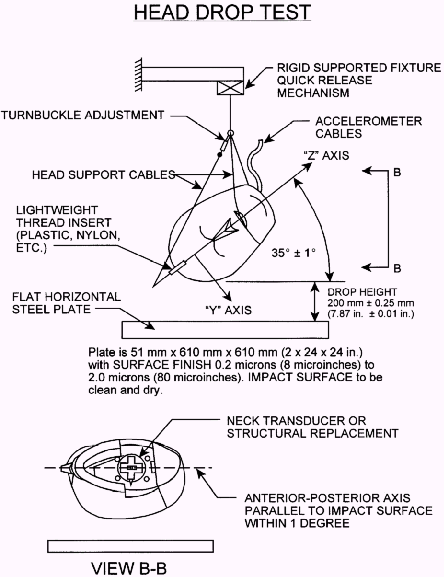
  • Figure 2¿Í °°ÀÌ, midsagittal plane°ú impact surface°¡ 35¡¾1µµ¸¦ ÀÌ·çµµ·Ï Head¸¦ ¸Å´Ü´Ù. À̶§, anterior-posterior axis´Â ¼öÆò¸é°ú ¡¾1µµ À̳»ÀÇ ¹üÀ§¿¡ µéµµ·Ï ÇÑ´Ù.
  • HeadÀÇ ÃÖÀúÁ¡À¸·ÎºÎÅÍ impact surface±îÁö ÃøÁ¤ÇÑ ³ôÀ̰¡ 200¡¾0.25mm (7.87¡¾.01 in.)ÀÎ ÁöÁ¡¿¡¼­ ³«ÇϽÃŲ´Ù. ** EuroSID-1 Head Drop Test Procedure¿Í µ¿ÀÏ.
  • Performance Criteria

    1. Peak Resultant Acc.
    2. : 120 ~ 150 G¡¯s

    3. Unimodal (main pulseÀÌÈÄ¿¡ ±×°ÍÀÇ 15%¸¦ ³ÑÁö¾Ê´Â ¹üÀ§ ¾È¿¡¼­)
    4. Longitudinal Acc.

: not exceed 15 G¡¯s

¡×572.113 Neck assembly.

  • Jamnut Torque

: 1.35¡¾0.27 Nm

    1. 0¡¾0.2 ft-lb.)

** Hybrid III neck test¿Í µ¿ÀÏ.

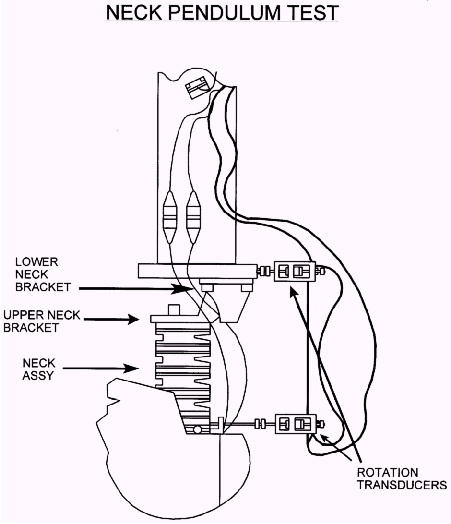
  • Figure 3°ú °°ÀÌ, Hybrid III neck bracket (78051-303 and ?307)À» ÀÌ¿ëÇÏ¿©, headÀÇ midsagittal planeÀÌ pendulumÀÇ ¿îµ¿¹æÇâ°ú Á÷±³Çϵµ·Ï head-neck ass¡¯y¸¦ ¼³Ä¡ÇÑ´Ù.

** Hybrid III neck test¹æÇâ°ú ºñ±³ÇÒ ¶§, superior-inferior axis¿¡ ´ëÇØ 90µµ ȸÀü.

  • Occipital condyles¿Í NeckÀÇ Á߽ɼ±°ú neck base·ÎºÎÅÍÀÇ ¿¬Àå¼±ÀÇ ±³Â÷Á¡¿¡¼­ ȸÀü°¢µµ¸¦ ÃøÁ¤ÇÑ´Ù.
  • Impact velocity : 6.89 ~ 7.13 m/s (22.6 ~ 23.4 ft/sec)

** Hybrid III¿Í µ¿ÀÏ.

  • Performance Criteria

    1. Pendulum deceleration pulse

    Time (ms)

    Pendulum Delta V (m/s)

    10

    20

    30

    40 to 70

    1.96 ~ 2.55

    4.12 ~ 5.10

    5.73 ~ 7.01

    6.27 ~ 7.64

  1. Maximum rotation (w.r.t pendulum¡¯s longitudinal centerline): 64 ~ 78 degrees
  2. Decaying head rotation vs. Time curve : PeakÈÄ, 50 ~ 70ms»çÀÌ¿¡ cross the zero.
  3. M = Mx + 0.01778 Fy (6-axis neck transducer)
  4. : Maximum value : 88 ~ 108 Nm at the level of the occipital condyles

  5. Decaying moment vs. Time curve : Peak ÈÄ, 40~60ms»çÀÌ¿¡ cross the zero.
  6. Maximum rotationÀº peak momentÈÄ, 0~20ms»çÀÌ¿¡ ¹ß»ýÇÏ¿©¾ß ÇÑ´Ù.

¡×572.114 Thorax.

  • ¡×572.42¿¡ ±â¼úµÈ SID DummyÀýÂ÷¿Í µ¿ÀÏ.

¡×572.115 Lumbar spine and pelvis.

  • ¡×572.42¿¡ ±â¼úµÈ SID DummyÀýÂ÷¿Í µ¿ÀÏ.

¡×572.116 Instrumentation and test conditions.

  • Test probe for lateral thoracic and pelvis impact tests : SAME
  • Accelerometer mounting in the thorax : SAME
  • Accelerometer mounting in the pelvis : SAME
  • Head Accelerometer mounting : SAME
  • Neck transducer mounting : SAME
  • Performance tests must be conducted at a temperature between 20.6 and 22.2 degrees C.

(69 to 72 degrees F.)

¡¡